Why the Source of Shilajit Matters More Than the Brand Name
A recognizable brand name feels reassuring, but it tells you almost nothing about where a specific jar of shilajit actually came from. Here is why source, not brand reputation alone, should be the first thing you check before buying, and exactly how to verify it yourself.
It is easy to assume that a well known, established brand automatically means well sourced shilajit. Brand trust is built from many things, marketing, packaging, customer service, price positioning, and only sometimes from a genuinely verifiable sourcing story. A brand can be entirely legitimate as a business while still selling shilajit sourced inconsistently, or from a region that does not match what the label implies.
This gap between reputation and sourcing accuracy is not usually intentional deception. It often reflects a supply chain problem more than a marketing one, a brand that built its reputation on genuine early sourcing gradually loosening its standards as demand grows faster than its original supplier relationships can keep up with. The brand name stays the same throughout, even as what actually fills the jar quietly shifts.
This is not a reason to distrust every brand. It is a reason to check source specifically, rather than assuming a familiar name settles the question on its own. This post explains why source matters so much for shilajit in particular, and exactly what to check before you buy, regardless of how established or trusted a brand appears.
Why Source Matters More for Shilajit Than for Most Supplements
Shilajit is not a manufactured compound with a fixed, standardized formula. It is a natural geological exudate, formed over centuries from plant material trapped and transformed under specific rock strata at high altitude. This means its actual composition, fulvic acid content, mineral profile and overall quality, is directly shaped by exactly where and how it formed, in a way that simply does not apply to a lab synthesized ingredient.
Compare this to a vitamin C tablet, where the source of the ascorbic acid molecule genuinely does not change its chemical structure or effect. Shilajit is fundamentally different. Two batches with the same name on the label can be meaningfully different substances depending on where they actually came from, which is exactly why source deserves far more scrutiny for this specific product than it might for a standardized synthetic supplement.
Geology Is Not Uniform, Even Within the Himalayas
Not every high altitude Himalayan location produces resin of comparable quality. Different rock strata, mineral composition and microbial activity across different regions genuinely affect the final resin's character. Two batches both technically collected in "the Himalayas" can differ meaningfully depending on the exact belt, altitude and rock type involved, much like how two wines both labeled "French" can differ enormously depending on which specific region and vineyard they actually came from.
A pharmacognosy study on Shilajit extracts confirmed significant fulvic acid content in properly processed resin, a compound closely tied to the geological and biological transformation process that produces genuine shilajit, underscoring how directly this substance's quality is shaped by its specific formation conditions rather than a standardized manufacturing process.
Why a Trusted Brand Name Is Not Enough on Its Own
A brand's reputation is built from many factors that have little to do with sourcing accuracy, customer service quality, marketing polish, delivery speed, price competitiveness. None of these factors verify where a specific batch of shilajit actually came from. A brand can excel at every one of these while still falling short on the one thing that actually determines what you are putting in your body.
Brands Can Change Suppliers Without Announcing It
A brand that sourced excellent shilajit last year is not guaranteed to be sourcing from the same supplier this year. Supply chains shift, seasonal availability changes, and a brand under cost pressure can quietly switch to a cheaper, less verified supplier without changing a single word of its marketing copy. The packaging, the reviews, and the price can all stay identical while the actual contents change meaningfully behind the scenes.
A Long History Does Not Guarantee Current Sourcing Quality
Brand age and reputation reflect accumulated trust over time, but trust built on past performance does not automatically extend to a specific batch sitting on a shelf today. This is precisely why checking current, batch specific sourcing information matters more than relying on general brand reputation alone, regardless of how many years a company has been in business.
Positive Reviews Reflect Experience, Not Verified Origin
A large volume of positive reviews tells you that many people had a satisfactory experience with a product, but it does not verify where that product's raw material actually came from. Reviews are a genuinely useful signal for overall satisfaction, but they are not a substitute for checking sourcing specifics directly.
See how source specific transparency should actually look.
Shop ACTIZEET® Shilajit ResinNot All Shilajit Producing Regions Are Equal
Shilajit is not exclusively a Himalayan substance. Similar mineral pitch exudates form in other high altitude mountain ranges around the world, including the Altai mountains, parts of the Caucasus, and certain Andean regions. Understanding this broader picture helps explain why the specific region named on a label matters so much.
Why Regional Differences Are Not Just Marketing Distinctions
Each of these regions involves genuinely different geology, altitude and climate conditions, all of which shape the resulting resin's mineral and compound profile differently. Himalayan shilajit has the longest documented history within classical Ayurvedic pharmacology specifically, which is part of why it remains the most widely referenced and sought after source, but this preference reflects a real, traceable tradition rather than an arbitrary marketing choice.
When a Label Does Not Specify Origin at All
Some products simply omit any specific origin claim, relying instead on generic phrases like "pure mineral resin" or "authentic mountain shilajit." This absence of specific origin information should be treated with the same caution as a vague "Himalayan" claim, since it leaves you with no way to verify what you are actually buying.
How Vague Sourcing Language Hides the Real Answer
Many listings use the word "Himalayan" as though it were a specific, verifiable claim, when in practice it can mean almost anything, a specific high altitude belt, a lower altitude foothill region, or in some cases, material simply blended or relabeled after being purchased from an unverified broker. The word does real marketing work precisely because it sounds specific without actually being specific at all.
The Difference Between a Region and a Marketing Word
A genuinely transparent brand names a specific region, ideally with an altitude range, rather than relying on the word Himalayan alone. This distinction is not a minor technicality. It is the difference between a checkable claim and a broad geographic reference that could apply to almost any supplier in South Asia, spanning multiple countries and an enormous range of altitudes and rock formations.
A systematic review of preclinical Shilajit research described the substance as rich in humic substances, fulvic and humic acids, minerals and trace elements, while noting that much of the existing evidence remains preclinical, a reminder that a genuinely informative sourcing claim needs to be specific enough to actually support the compound profile a buyer might be relying on.
What to Actually Check Instead of Just the Brand
| What to Check | Why It Matters More Than Brand Reputation |
|---|---|
| Named Region and Altitude | Confirms a specific, checkable geological origin rather than a generic geographic word |
| Batch Specific Testing | Verifies the exact batch you are buying, not a general claim about the brand overall |
| Dissolution and Texture | A simple physical check independent of any marketing claim |
| Willingness to Answer Directly | Reveals whether a brand can actually substantiate its sourcing story when asked |
Ask the Brand Directly, Regardless of Reputation
Even with an established, well reviewed brand, it is entirely reasonable to ask specifically which region and altitude a current batch was sourced from, and whether batch specific testing documentation is available. A brand confident in its sourcing will answer this specifically. One relying purely on reputation may respond with a vaguer, less satisfying answer, redirecting you back to general marketing language rather than a concrete detail.
Use the Simple Dissolution Test
Regardless of brand, a small piece of genuine, properly purified shilajit resin should dissolve almost completely in warm water within a few minutes, leaving minimal gritty residue. This test does not depend on trusting anyone's claims, and it works the same way whether you are evaluating a large, established brand or a smaller, newer one. Significant leftover sediment after this test is a meaningful warning sign, no matter how reputable the brand behind it appears to be.
Red Flags That Apply Regardless of Brand Size
- Sourcing described only as "Himalayan" with no specific region or altitude named.
- No willingness to provide batch specific lab documentation on request.
- A price dramatically below the typical market range for genuine Himalayan shilajit.
- Marketing that emphasizes brand story and testimonials far more than sourcing specifics.
- Inconsistent sourcing claims across different product listings from the same brand.
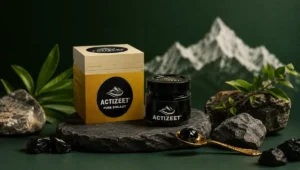
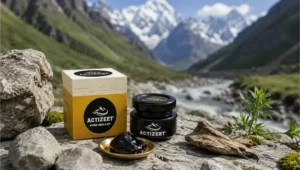
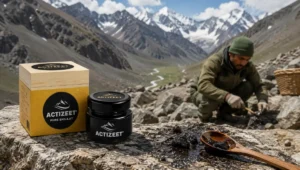
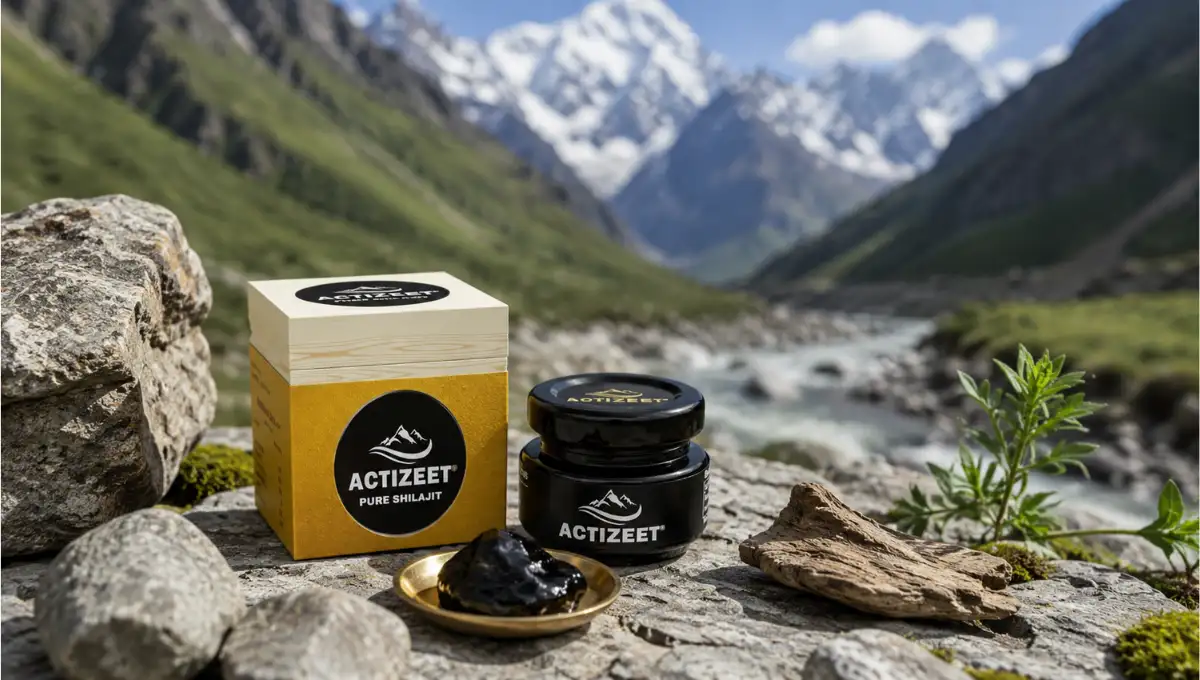
ACTIZEET® Shilajit Resin is sourced from a verified, named high altitude Himalayan region, with batch specific lab testing available on request, because we believe source, not reputation alone, should be the thing you actually trust. We would encourage you to hold any brand, including us, to this exact same standard.
Shop ACTIZEET® Shilajit Resin →Frequently Asked Questions
Check the Source, Not Just the Name on the Label
A trusted brand name can make a purchase feel safer, but it is not a substitute for verifying where a specific batch of shilajit actually came from. Source, altitude, purification method and batch specific testing tell you far more than reputation alone ever can.
The next time you are choosing between two shilajit products, resist the pull toward whichever name feels more familiar, and instead ask the same specific sourcing questions of both. That single habit, applied consistently, protects you far better than brand loyalty ever will.
ACTIZEET® Shilajit Resin is built around exactly this standard, verified source first, so you can trust what is actually in the jar, not just the name printed on it.