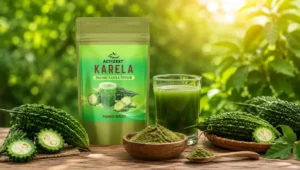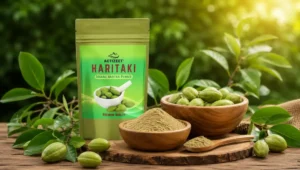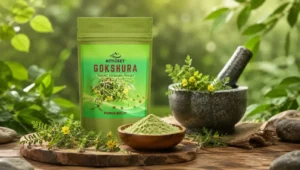
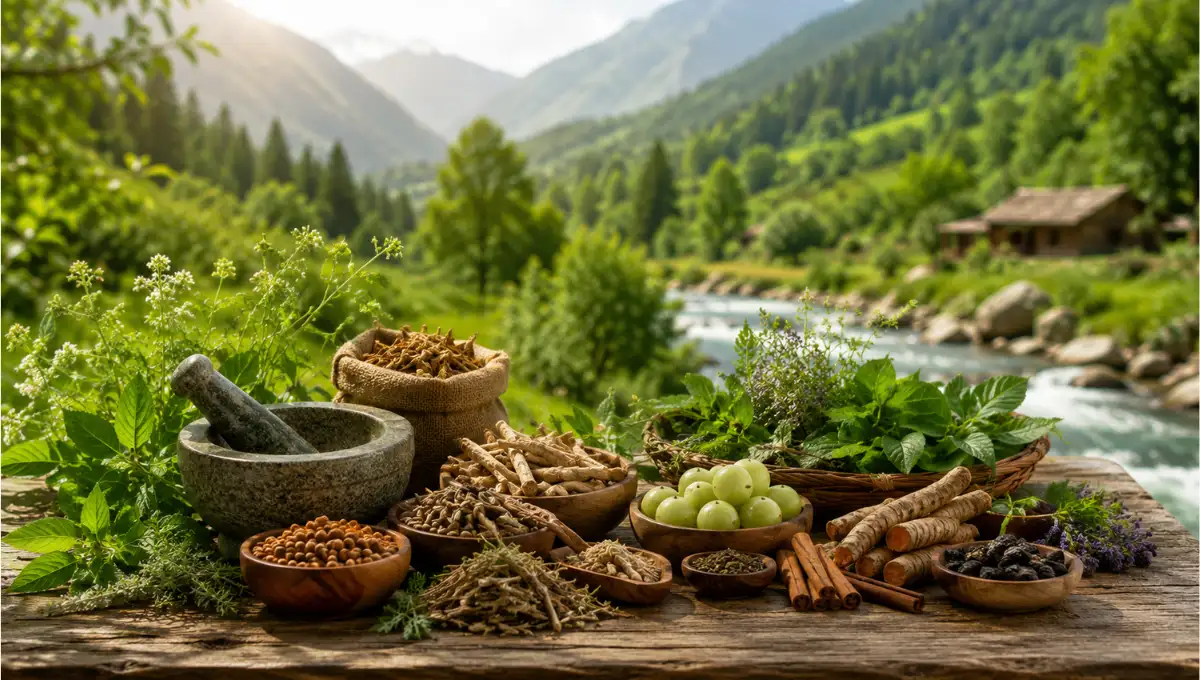
How ACTIZEET® Sources Premium Ayurvedic Herbs for Quality and Purity
A bag of ashwagandha or shatavari powder gives you almost no visual clue about how it was actually grown, harvested and processed before it reached that bag. Here is the specific, step by step process ACTIZEET® follows to source premium Ayurvedic herbs, and why each stage matters for the quality of what ends up in your hands.
Premium Ayurvedic herbs are not defined by a label alone. They are defined by a series of specific, checkable decisions made long before that herb ever reaches a jar, correct botanical identification, thoughtful growing practices, careful harvest timing, proper processing, and batch specific testing. Skip any one of these steps and the word "premium" on the label starts to mean considerably less than it should.
Most buyers never see any of this. A bag of powder on a shelf gives no visual indication of whether the herb inside was correctly identified, grown responsibly, or tested for contamination before packaging. The only real way to judge whether a specific product deserves your trust is to understand what the full sourcing process is actually supposed to look like, so you know exactly what to ask a brand before you buy.
This post walks through exactly how ACTIZEET® approaches this process for its Ayurvedic herb range, so you can see what genuine sourcing actually looks like, not just what it sounds like in marketing copy.
Step 1: Starting With Correct Botanical Identity
Before anything else, sourcing begins with confirming the exact botanical species of a given herb. Many plants share common names across regions and languages, which creates real potential for confusion or, in worse cases, deliberate substitution with a cheaper, related species that does not carry the same traditional or researched properties. This is the single most foundational check in the entire process, since every later decision, growing practice, processing method, active compound testing, only makes sense once the correct species has been confirmed.
Why This Step Cannot Be Skipped
An ashwagandha product is only genuinely ashwagandha if it comes from Withania somnifera specifically, not a loosely related plant sold under a similar common name. ACTIZEET® treats this botanical confirmation as a non negotiable first step, since every other quality decision that follows depends on first getting this single detail right. A brand that cannot confirm this basic detail with confidence has, in effect, not yet earned the right to make any further quality claims about its product.
Step 2: Choosing the Right Growing Regions and Practices
Once the correct species is confirmed, the next consideration is where and how that herb is actually grown. Soil quality, climate and growing practices all genuinely affect a herb's final composition, not just its yield. A herb grown in nutrient poor soil, or exposed to inconsistent watering and harsh chemical treatment, can end up meaningfully different in quality from the same species grown under better conditions, even though both might carry an identical name on the label. This is part of why two products can share the exact same botanical name and still perform noticeably differently once you actually use them.
Favoring Lower Chemical Input Growing Practices
Herbs grown under heavy pesticide and synthetic fertilizer use carry a higher risk of chemical residue, particularly relevant for herbs intended for regular, ongoing daily use. ACTIZEET® prioritizes growing practices with minimal chemical input wherever a reliable, quality consistent supply allows for it, treating this as a genuine sourcing priority rather than a marketing afterthought added to a product description.
The National Center for Complementary and Integrative Health notes that Ayurvedic medicine combines herbal products with diet, lifestyle and other practices, and specifically highlights that research quality and growing conditions both meaningfully affect the reliability of any given herbal product, underscoring why sourcing decisions made at the growing stage carry weight well beyond the final label.
See this exact sourcing approach reflected in the finished product.
Shop ACTIZEET® Pure HerbsStep 3: Building Direct, Ongoing Relationships With Growers
Rather than sourcing opportunistically from whichever supplier offers the lowest price in a given season, ACTIZEET® favors direct, consistent relationships with the same growers and collectors over time. This approach takes more effort to build and maintain, but it gives us something an opportunistic, price driven sourcing strategy simply cannot, genuine visibility into how a specific herb was actually grown.
Why Consistency Beats a Lower One Time Price
A supplier relationship measured in years, rather than single transactions, gives far greater visibility into how a specific herb was actually grown and harvested. It also allows for genuine collaboration on improving quality over time, something an unfamiliar, one time supplier simply cannot offer. Over successive seasons, this kind of relationship tends to produce steadily improving consistency, as both sides build shared expectations around quality.
Step 4: Harvest Timing and Traditional Preparation
Classical Ayurvedic pharmacology places real emphasis on harvest timing, the specific season, and even time of day, believed to influence a herb's potency and character. Modern sourcing benefits from paying attention to this traditional guidance rather than harvesting purely on a convenient industrial schedule that ignores centuries of accumulated observation about when a specific plant is at its best.
Respecting Traditional Preparation Methods
Once harvested, herbs are prepared according to methods rooted in classical practice, whether that means careful drying for a powder like ashwagandha, or the specific preparation traditionally used for a root like shatavari. ACTIZEET® treats these traditional methods as a starting framework, not a step to be replaced entirely with the fastest available industrial shortcut, since these methods were refined over generations specifically to preserve a herb's character and potency.
The World Health Organization's Global Traditional Medicine Strategy for 2025 to 2034 recognizes traditional systems including Ayurveda as deeply embedded in culture and local practice worldwide, and specifically prioritizes strengthening the research evidence base and quality standards behind these systems as they continue to be used globally.
Step 5: Purification and Careful Processing
After harvest and initial preparation, herbs move into a processing stage designed to protect their natural compounds while removing anything that should not be there.
Raw material is cleaned and sorted by hand, removing plant debris, discoloured material and anything that does not meet our basic visual quality standard before further processing begins. This early check catches obvious quality issues before they can affect any later stage of production.
Herbs are dried under controlled conditions designed to preserve their natural colour, aroma and active compounds, avoiding the kind of excessive heat exposure that can degrade a herb's quality before it is even ground into powder. This stage often takes longer than a rushed industrial drying process would allow, but the difference shows up clearly in the finished product's colour and aroma.
Dried material is ground to a consistent texture, and where relevant, standardized to a specific active compound percentage, giving each batch a consistent, checkable profile rather than an unpredictable one. This consistency is what allows you to expect roughly the same experience from one bag to the next.
Step 6: Batch Specific Lab Testing
Correct sourcing and careful processing still need to be verified before a herb is genuinely ready for sale. This is where batch specific lab testing comes in, confirming what a specific batch actually contains rather than assuming it matches whatever came before it. Natural raw material varies from harvest to harvest, which is exactly why testing each batch individually matters more than relying on a single test conducted once, early in a product's history.
What Gets Tested
- Botanical identity, confirming the correct species and plant part.
- Heavy metal screening for lead, arsenic, cadmium and mercury.
- Microbial testing for total plate count, yeast, mould and pathogens.
- Active compound standardization, where a specific percentage is relevant to the herb.
A health professional fact sheet from the National Institutes of Health Office of Dietary Supplements notes that research on ashwagandha extracts often relies on specific standardized formulations, and that a taskforce from the World Federation of Societies of Biological Psychiatry has provisionally recommended specific ashwagandha doses for generalized anxiety disorder, illustrating why standardization and batch consistency genuinely matter for delivering a reliable product.
Why Independent Testing Matters
Wherever possible, this testing is carried out through independent, accredited laboratories rather than relying solely on in house assessment, since independent verification removes the inherent conflict of interest involved in a company grading its own product. A Certificate of Analysis referencing a specific batch number, issued by an outside laboratory, gives you something genuinely checkable rather than a general assurance printed on the packaging.
Step 7: Packaging That Protects What You Paid For
Once a batch passes testing, it is packaged into containers designed to protect against moisture, light and air exposure, all of which can gradually degrade a herb's potency over time. A herb that was sourced and processed carefully can still lose real value if it sits in poor packaging for months before reaching a customer, which is why this final stage receives just as much attention as the earlier, more visible steps in this process.
Why This Process Actually Matters to You
Every stage described above exists to answer one practical question: does this specific batch of herb genuinely contain what it claims, free of contamination, and consistent with the last batch you bought. Skipping any single stage, incorrect species, poor growing practices, no independent testing, weakens that answer considerably, regardless of how polished the final packaging looks.
This is also the simplest way to evaluate any Ayurvedic herb brand, including ACTIZEET®. Ask for the correct botanical name, ask where and how the herb was grown, and ask whether batch specific lab documentation is available. A brand able to answer these questions specifically, rather than with vague reassurance, is one worth trusting with a daily habit, especially for a product you plan to use consistently over months rather than a single occasional purchase.
Storing Your Herbs Correctly at Home
The care taken throughout sourcing and processing does not stop mattering once a product reaches your kitchen shelf. Keeping herbal powders in a sealed, airtight container, away from direct sunlight, humidity and heat, helps preserve the potency this entire process worked to protect. A herb correctly sourced and tested can still lose real value if left exposed to air and moisture for months after opening.
ACTIZEET® Pure Herbs is built around exactly this process, correct botanical sourcing, direct grower relationships, traditional preparation methods, and batch specific lab testing before any product reaches your shelf. Whether you are shopping for a single herb like ashwagandha or shatavari, or exploring the wider ACTIZEET® herb range, every product reflects the same standard described throughout this post.
Shop ACTIZEET® Pure Herbs →Frequently Asked Questions
A Process Worth Knowing Before You Buy
Premium Ayurvedic herbs are the product of a specific, checkable process, not just a word on a label. From correct botanical identity through careful growing, traditional preparation and independent lab testing, each stage exists to protect both the herb's safety and its potency.
Knowing this process turns Ayurvedic herb shopping from a guessing game based on packaging into an informed decision built on a few specific, checkable questions, the correct species, how it was grown, and whether batch testing is genuinely available. Those three questions cover most of what actually separates a genuinely premium herb from an ordinary one.
ACTIZEET® Pure Herbs is built around this full process, so you can bring genuine Ayurvedic herbs into your daily routine with real confidence in how they were sourced and made.