Organic Mulethi Powder: Benefits, Uses, Dosage and Everything You Need to Know
ACTIZEET® Editorial Team | | Ayurveda & Herbal Wellness
What Is Organic Mulethi Powder?
Organic Mulethi Powder is produced by drying and grinding the roots and rhizomes of Glycyrrhiza glabra, a small bushy perennial plant belonging to the legume family (Fabaceae). The plant grows naturally across Western Asia, the Mediterranean region, North Africa, and Southern Europe, with significant cultivation in India, China, Spain, and Iran. Its name in Sanskrit is Yashtimadhu, meaning sweet stick, a reference to both the long, slender roots and their characteristic sweetness.
Mulethi root contains glycyrrhizin, a triterpenoid saponin that is approximately 50 times sweeter than table sugar. This extraordinary natural sweetness made licorice root one of the most widely traded spice and medicine commodities in the ancient world, used extensively for more than 4,000 years across Egyptian, Greek, Roman, Chinese, and Indian medical traditions. It is also one of three herbs that share the most references in the classical Ayurvedic texts of Charaka and Sushruta.
When the powder is certified organic, it means the root was cultivated without synthetic pesticides, chemical fertilisers, or prohibited processing agents. This matters particularly for mulethi because its primary compound, glycyrrhizin, is a glycoside whose biological activity can be disrupted by pesticide residues that bind to the same receptors as the active saponin. Organic certification protects the pharmacological integrity of the root from soil to shelf.
Mulethi should not be confused with deglycyrrhizinated licorice (DGL), a processed form from which glycyrrhizin has been removed to reduce certain side effects associated with very high-dose long-term use. Organic whole-root powder retains the complete compound profile, including glycyrrhizin, and is the traditional format used in Ayurvedic practice at standard therapeutic doses.
Bioactive Compounds in Mulethi: The Science of Its Healing Action
The therapeutic richness of organic mulethi powder comes from a diverse array of phytochemicals that act through multiple complementary pathways. Understanding these compounds clarifies both why the herb is so versatile and why quality sourcing matters.
| Compound | Class | Primary Therapeutic Role |
|---|---|---|
| Glycyrrhizin (Glycyrrhizinic Acid) | Triterpenoid saponin | Anti-inflammatory, antiviral, hepatoprotective, demulcent, adaptogenic |
| Glycyrrhizinic Acid (18-beta-glycyrrhetinic acid) | Triterpenoid aglycone | Anti-ulcer, anti-inflammatory, immunomodulatory, antiviral |
| Glabridin | Isoflavonoid | Skin brightening, anti-inflammatory, antioxidant, antimicrobial |
| Liquiritin | Flavonoid glycoside | Antidepressant, neuroprotective, anti-inflammatory, skin lightening |
| Isoliquiritin | Chalcone flavonoid | Anticancer activity, antioxidant, anti-inflammatory |
| Formononetin and Biochanin A | Isoflavones | Mild estrogenic activity, bone health, menopausal symptom support |
| Anethole | Volatile terpenoid | Distinctive aroma, carminative, antibacterial |
| Tannins and Saponins | Polyphenols | Astringent, anti-inflammatory, wound healing, antimicrobial |
The dominant compound, glycyrrhizin, has been the subject of hundreds of peer-reviewed studies. Its anti-inflammatory action is mediated through inhibition of prostaglandin and leukotriene synthesis and suppression of inducible nitric oxide synthase (iNOS), which reduces oxidative and inflammatory damage across multiple tissue types. Glycyrrhizinic acid also acts as an immunomodulator, influencing both innate and adaptive immune responses in ways that are relevant to viral, bacterial, and allergic challenges.
Health Benefits of Organic Mulethi Powder: What the Research Shows
| Benefit Area | What Research and Tradition Indicate |
|---|---|
| Respiratory Health | WHO-recognised demulcent for sore throat and expectorant for bronchial cough; soothes mucosa |
| Digestive and Gut Health | Heals peptic ulcers, inhibits H. pylori, repairs stomach lining, supports gut microbiome |
| Liver Protection | Glycyrrhizin is hepatoprotective; used clinically in Japan for hepatitis treatment |
| Anti-inflammatory Action | Inhibits iNOS, prostaglandins, and leukotriene pathways across multiple tissue types |
| Immune System Modulation | Modulates cytokines, T-cell activity, and antiviral immune responses |
| Skin Health | Glabridin brightens skin, reduces hyperpigmentation; glycyrrhetinic acid matches hydrocortisone for eczema |
| Oral and Dental Health | Inhibits biofilm formation, kills oral bacteria, reduces halitosis, protects gum tissue |
| Adrenal and Stress Support | Adaptogenic; prolongs cortisol activity and supports adrenal function under chronic stress |
| Hormonal Balance | Mild estrogenic isoflavones support menopausal symptoms and menstrual regularity |
| Hair Health | Stimulates hair growth, reduces alopecia, nourishes scalp and follicles |
Respiratory Health: The Most Classical Application
Mulethi’s reputation as a respiratory herb is its most ancient and most consistently validated benefit. The World Health Organization officially lists licorice root as a demulcent for sore throats and an expectorant for bronchial catarrh and coughs, an endorsement that reflects both traditional evidence and modern pharmacological understanding.
The mechanism operates through multiple pathways. Glycyrrhizin coats and soothes the mucous membranes lining the throat and bronchi, reducing the inflammatory irritation that triggers coughing. A compound called liquiritin apioside specifically inhibits capsaicin-induced cough reflex, addressing one of the most common and persistent triggers of chronic cough. The expectorant activity comes from glycyrrhizin’s ability to stimulate mucus secretion in the respiratory tract while simultaneously reducing mucus viscosity, making it easier to clear.
A comprehensive review published on PMC covering the phytochemistry, pharmacological activity, and clinical evidence for Glycyrrhiza glabra confirmed that licorice root preparations have demonstrated consistent therapeutic relevance across respiratory conditions including cough, hoarseness, sore throat, bronchitis, asthma, and tonsillitis, with a well-documented safety profile at standard doses. (PMC Article: PMC8703329)
Quick Respiratory Remedy Using Mulethi Powder
Combine half a teaspoon of organic mulethi powder with a pinch of ground ginger and a teaspoon of raw honey in warm water. Drink slowly, allowing the liquid to coat the throat. Take twice daily during periods of sore throat, dry cough, or chest congestion. The mulethi soothes and coats; the ginger adds warming antimicrobial action; the honey contributes independent antimicrobial and demulcent properties.
Digestive Health and Peptic Ulcer Relief
Mulethi has an extensive history of use for stomach ulcers and gastrointestinal discomfort that predates modern medicine by over two thousand years. The modern pharmacological explanation is now well understood: glycyrrhizin and its metabolite glycyrrhizinic acid stimulate the production of protective mucus in the stomach lining, reduce inflammatory damage to the gastric epithelium, and directly inhibit Helicobacter pylori, the bacterium responsible for the majority of peptic ulcers worldwide.
A 2016 clinical study in 120 adults found that consuming licorice extract alongside standard treatment significantly reduced the presence of H. pylori after two weeks compared to standard treatment alone. A 2023 animal study further confirmed that licorice flavonoids help relieve peptic ulcers by increasing mucus production, reducing gut inflammation, and improving gut microbiome composition. Most recently, a systematic review and meta-analysis published in ScienceDirect, covering nine clinical studies and 618 participants, confirmed the efficacy of Glycyrrhiza glabra preparations for peptic ulcer management. (ScienceDirect, 2025)
Beyond ulcers, mulethi powder stimulates digestive enzyme secretion, reduces acid reflux by strengthening the lower oesophageal sphincter, and calms intestinal spasms through its antispasmodic compounds. For people dealing with chronic acidity, functional dyspepsia, or inflammatory bowel conditions, mulethi addresses the inflammatory root of these problems rather than simply suppressing acid production.
Liver Protection and Hepatoprotective Action
Glycyrrhizin has been used intravenously in Japan as a treatment for hepatitis C for decades, representing one of the most direct clinical validations of mulethi’s hepatoprotective properties. This extraordinary endorsement reflects the compound’s well-documented ability to protect liver cells from both oxidative damage and viral-induced hepatocyte destruction.
The hepatoprotective mechanism of glycyrrhizin and its aglycone glycyrrhizinic acid involves inhibition of free radical generation, reduction of lipid peroxidation in liver cell membranes, and suppression of hepatic fibrosis. The compound also modulates the immune response in the liver, reducing the collateral damage that immune cells can inflict on hepatic tissue during viral hepatitis or non-alcoholic fatty liver disease.
In Ayurvedic practice, mulethi is classified as a liver tonic (yakrit uttejaka) and is commonly combined with Kutki and Bhringraj for comprehensive hepatic support. Regular use of organic mulethi powder at standard doses provides a sustained, low-level hepatoprotective benefit that supports the liver’s daily detoxification and metabolic functions.
Immune System Support and Antiviral Properties
Glycyrrhizin and glycyrrhizinic acid are among the most studied natural antiviral compounds known. They have demonstrated inhibitory activity against herpes simplex virus, influenza, SARS-CoV, and various other enveloped viruses. The mechanism involves multiple pathways: the compounds inhibit virus replication, prevent viral attachment to host cells, and modulate the immune response to limit the inflammatory damage that often causes the most serious symptoms of viral infection.
On the immune regulation side, glycyrrhizin has been shown to modulate cytokine production, T-cell differentiation, and natural killer cell activity. This immunomodulatory profile means mulethi can help both strengthen immune responses to pathogens and calm excessive inflammatory reactions, including the cytokine dysregulation that complicates severe viral illness. A randomised controlled trial published in Inflammopharmacology in 2023 evaluated Glycyrrhiza glabra in moderately ill patients with COVID-19, providing a recent clinical example of this immunomodulatory application.
Skin Health: Brightening and Anti-Inflammatory
Mulethi has earned a strong reputation in natural skincare, and the evidence supporting it is some of the most convincing in the herbal cosmetic literature. The compound glabridin, an isoflavonoid found in significant concentrations in licorice root, is one of the most effective natural tyrosinase inhibitors known. Tyrosinase is the enzyme responsible for melanin production; by inhibiting it, glabridin reduces hyperpigmentation, dark spots, and uneven skin tone without the harsh bleaching effects associated with synthetic brightening agents.
Glycyrrhetinic acid, the aglycone of glycyrrhizin, has been shown in clinical study to be as effective as hydrocortisone in treating eczema when applied topically, offering anti-inflammatory skin relief without the side effects associated with long-term corticosteroid use. This finding makes mulethi a legitimate, evidence-backed option for people managing chronic skin inflammation, including eczema, rosacea, and contact dermatitis.
Organic mulethi powder can be incorporated into skin applications as a paste, toner, or face mask ingredient, where its brightening, anti-inflammatory, and antioxidant actions work directly at the skin surface.
Oral Health and Dental Protection
A comprehensive review published in PMC examining the therapeutic benefits of licorice for oral health confirmed that glycyrrhizin and related compounds inhibit biofilm formation by oral bacteria, reduce plaque development, demonstrate antibacterial activity against the major pathogens responsible for gingivitis and periodontitis, and show antiviral activity against oral herpes virus. A randomised, double-blind, placebo-controlled study further confirmed that herbal mouthwash containing licorice extract was more effective than saline mouthwash in reducing halitosis. (PMC Article: PMC10648065)
In Ayurvedic dental practice, mulethi powder is used as a tooth powder and mouth rinse for gum disease, mouth ulcers, and sore throats, applications all directly supported by the oral health research.
Adrenal Support and Stress Adaptation
Mulethi acts as an adaptogen in a biochemically specific way that distinguishes it from general-purpose adaptogens. Glycyrrhizinic acid inhibits the enzyme 11-beta-hydroxysteroid dehydrogenase (11-HSD), which is responsible for inactivating cortisol. By reducing the breakdown of cortisol, mulethi effectively extends the action of the body’s own stress hormone, which can be beneficial for people experiencing adrenal fatigue or chronic low-grade stress where cortisol production is depleted.
In Ayurveda, mulethi is classified under the Balya (strength-giving) and Medhya (cognitive-supporting) categories of rasayana herbs, reflecting both its physical stamina-supporting and mental-clarity-promoting properties. Ancient texts document its use to improve endurance and resilience, which aligns with the modern understanding of its cortisol-modulating mechanism.
Hormonal Balance and Women’s Health
Mulethi contains isoflavones including formononetin and biochanin A that have mild estrogenic activity. These plant-derived oestrogen-like compounds (phytoestrogens) interact with oestrogen receptors in a way that can help buffer hormonal fluctuations rather than amplify them. This makes mulethi useful for managing menopausal symptoms including hot flashes, night sweats, and mood changes, as well as for supporting regular menstrual cycles in women with hormonal irregularities.
Ayurvedic gynaecological practice has always included mulethi in formulas for female reproductive health, and the identification of its phytoestrogenic isoflavone content provides a clear pharmacological explanation for this traditional use.
Hair Health and Scalp Nourishment
Mulethi has been studied specifically for hair growth promotion with promising results. Research has confirmed that Glycyrrhiza glabra extract demonstrates significant hair growth activity in both follicle cell culture models and animal studies, and that it can be safely used in herbal formulations for treating various types of alopecia. The mechanism likely involves glycyrrhizin’s anti-inflammatory action reducing follicle inflammation, the antioxidant compounds protecting follicle cells from oxidative damage, and the demulcent properties of the root soothing and conditioning the scalp.
How to Use Organic Mulethi Powder: Practical Daily Methods
Mulethi powder’s naturally sweet taste makes it one of the more pleasant herbal powders to use, and it lends itself well to a variety of preparations depending on your health goal.
Mulethi Herbal Tea (Kadha)
This is the most traditional and widely used preparation. Simmer a quarter to half a teaspoon of organic mulethi powder in two cups of water for five to eight minutes. Strain, then drink warm, optionally sweetened with a small amount of raw honey. For respiratory complaints, add a pinch of ground ginger or a few tulsi leaves to the decoction. Drink once or twice daily for sore throats, cough, or chest congestion.
Mulethi with Warm Milk
Stir a quarter teaspoon of mulethi powder into a cup of warm milk. Add a small pinch of turmeric and a drop of ghee for an enhanced anti-inflammatory and hepatoprotective effect. This preparation, known as Yashtimadhu Kshirapaka in Ayurveda, is traditionally used for respiratory health, cognitive support, and general rejuvenation. Take before bed for best results, as the milk vehicle supports absorption of the fat-soluble compounds.
Mulethi with Honey as a Throat Remedy
Mix a quarter teaspoon of mulethi powder with a teaspoon of raw honey to form a paste. Let it dissolve slowly in the mouth or throat, coating the mucosa. This is one of the most effective and fastest-acting applications for acute sore throat relief, and can be repeated three to four times daily during active throat infection or irritation.
Mulethi Face Paste for Skin
Mix one teaspoon of organic mulethi powder with enough rose water or raw milk to form a smooth, spreadable paste. Apply to clean skin, leave on for 15 to 20 minutes, and rinse with cool water. Use two to three times weekly for skin brightening, reduction of dark spots and hyperpigmentation, and calming of inflammatory skin conditions. Consistent use over four to eight weeks produces the most visible improvement in skin tone and clarity.
Mulethi as a Dental Powder
Mix a small amount of mulethi powder with a pinch of rock salt and use as a tooth powder applied with a soft brush or fingertip. The antibacterial and anti-inflammatory compounds target gum tissue directly, reducing inflammation, inhibiting plaque bacteria, and freshening breath. This traditional use is one of the most straightforward and evidence-backed applications of mulethi for daily wellness.
Mulethi in Smoothies and Cooking
A small amount (a quarter teaspoon) of mulethi powder can be added to smoothies, particularly those with almond milk, banana, or cacao, where its natural sweetness enhances the flavour. In cooking, it is a traditional ingredient in spice blends and sweet preparations across Middle Eastern and South Asian cuisines.
Recommended Dosage and Safety Guidelines
The standard Ayurvedic dose for organic mulethi powder is 2 to 4 grams per day (approximately a third to two-thirds of a teaspoon), taken once or twice daily with warm water, milk, or honey. The European Scientific Cooperative on Phytotherapy (ESCOP) and most traditional practitioners recommend this range for daily supplemental use over periods of four to six weeks, followed by a break of equivalent duration before resuming.
The reason for this cycling approach is the well-documented effect of glycyrrhizin on the renin-aldosterone axis when consumed in large doses over extended periods. This pharmacological effect is the basis for the most commonly cited safety concern around licorice root.
How to Choose the Best Organic Mulethi Powder
Quality differences between mulethi products are significant and directly affect both the results you experience and the safety profile of what you consume. Here is what separates a reliable product from a poor one.
Certified Organic Status
Look for certification from a recognised body such as USDA Organic, India Organic, EU Organic, or an equivalent standard. For mulethi specifically, organic status protects against pesticide residues that can bind to and interfere with glycyrrhizin’s receptor activity, and ensures that the tannins and flavonoids are not degraded by agricultural chemicals.
Root or Rhizome Powder, Not Leaf or Stem
The medicinal compounds, including glycyrrhizin, glabridin, and liquiritin, are concentrated in the root and rhizome of the plant. Products using leaf or stem material will have substantially lower concentrations of these key bioactives. The product label should clearly specify “root” or “rhizome” as the plant part used.
Single-Ingredient Transparency
The ingredient list should read: Glycyrrhiza glabra (root) powder. Nothing else. Any additions, fillers, or undisclosed blends reduce both the purity of the product and the ability to accurately dose the compounds you are seeking.
Third-Party Testing
A Certificate of Analysis (CoA) from an independent laboratory confirming the product is free of heavy metals, pesticide residues, microbial contamination, and meets stated glycyrrhizin content levels is the most reliable quality indicator available to supplement consumers. Responsible brands make this available on request or publish it online.
Airtight, Light-Protective Packaging
Glycyrrhizin and the flavonoid compounds in mulethi are sensitive to oxidation and UV light. Packaging in opaque, airtight containers with resealable closures and clearly marked manufacturing and expiry dates ensures the powder retains its full potency through to the last serving.
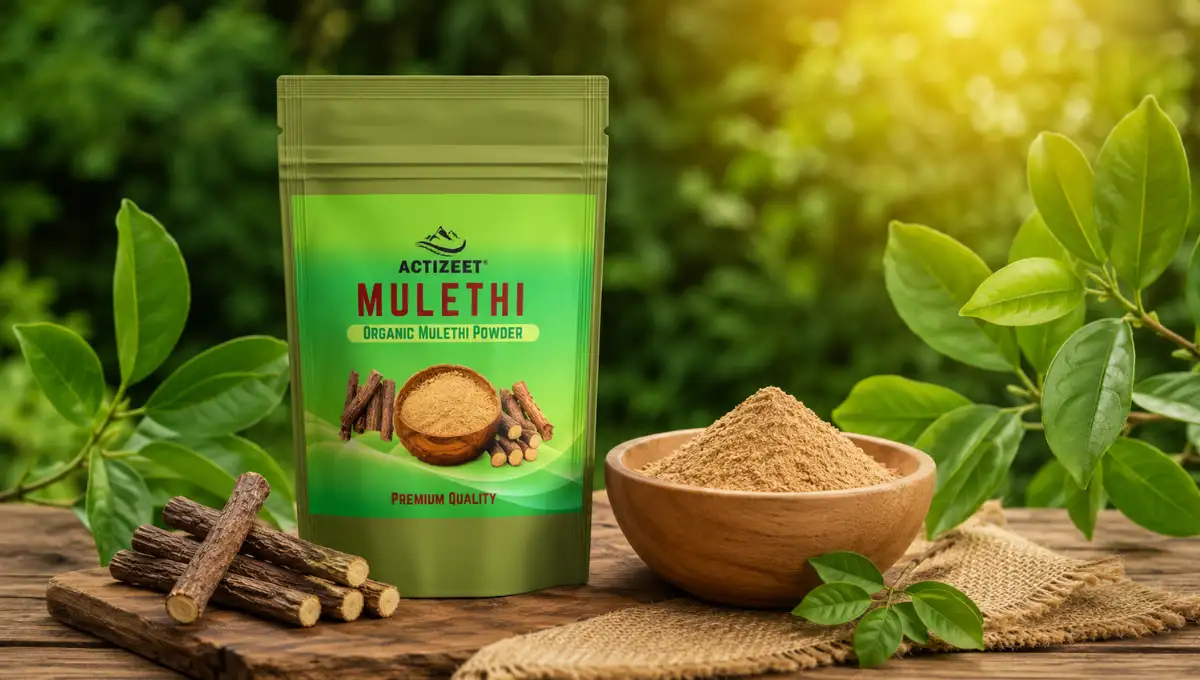
Why ACTIZEET® Organic Mulethi Powder Is the Right Choice
ACTIZEET® sources its mulethi from certified organic growing regions in India where Glycyrrhiza glabra roots are cultivated in the soil conditions that produce the highest natural glycyrrhizin concentrations. Roots are harvested at three to five years of age, the growth stage at which glycyrrhizin, glabridin, and the key flavonoid compounds reach their peak concentrations. Younger roots and improperly harvested material produce substantially lower therapeutic compound levels.
After harvest, the roots are carefully dried at controlled temperatures to protect the thermally sensitive isoflavone and flavonoid content, and then milled into a fine, consistent powder without any additives, flow agents, or fillers of any kind. No sweeteners are added (the natural sweetness of glycyrrhizin makes them unnecessary), and no deglycyrrhizination processing is performed, preserving the full traditional compound profile.
Every batch of ACTIZEET® Organic Mulethi Powder is independently tested by third-party laboratories for heavy metals, pesticide residues, microbial safety, and glycyrrhizin content before release. The Certificate of Analysis is available on request, and the product arrives in airtight, light-protective packaging that maintains freshness from processing through to your kitchen.
Whether you are using mulethi for respiratory relief, digestive healing, liver protection, skin brightening, oral health, or hormonal balance, ACTIZEET® Organic Mulethi Powder delivers the purity and potency that four thousand years of therapeutic tradition and modern pharmacological research both demand.
Mulethi Powder vs. DGL (Deglycyrrhizinated Licorice) vs. Mulethi Extract: Which Is Right for You?
Mulethi comes in three primary forms in the supplement market, each suited to different health priorities and risk profiles.
Organic Mulethi Powder (Whole Root)
This is the most traditional format and preserves the complete phytochemical profile of the root, including glycyrrhizin, glabridin, liquiritin, and all the supporting flavonoids. It is appropriate for most healthy adults using mulethi at standard doses for four to six week cycles for respiratory, digestive, liver, or skin health. The natural sweetness makes it one of the most palatable herbal powders available.
DGL (Deglycyrrhizinated Licorice)
DGL has had glycyrrhizin removed through processing. This makes it significantly safer for people with hypertension, heart disease, or sensitivity to the blood pressure-raising effects of glycyrrhizin. However, DGL also loses many of the antiviral, hepatoprotective, and adaptogenic benefits that glycyrrhizin specifically provides. DGL is most appropriate for people who need long-term daily digestive support (particularly for ulcers and acid reflux) without the systemic effects of whole-root preparations.
Standardised Mulethi Extract
Standardised extracts concentrate a specific percentage of glycyrrhizin or glabridin and offer dose precision that is useful in clinical protocols. They tend to be more expensive per effective dose than whole-root powder and narrower in their compound profile. They are most appropriate when a specific, measurable therapeutic endpoint is being targeted under professional guidance.
Who Benefits Most from Organic Mulethi Powder?
People with frequent respiratory complaints, including seasonal sore throat, dry or productive cough, bronchial congestion, and voice hoarseness, represent the group with the most immediate and consistent experience of mulethi’s benefits. The soothing demulcent and expectorant properties work within hours of the first preparation.
Those with digestive disorders, particularly acid reflux, peptic ulcers, H. pylori infection, or chronic gastritis, benefit from mulethi’s well-evidenced gastric healing and anti-ulcer activity.
People seeking liver support, whether from pharmaceutical medication loads, dietary fat, alcohol, or hepatic viral conditions, benefit from glycyrrhizin’s hepatoprotective and anti-inflammatory liver action.
Women managing hormonal transitions, including perimenopausal symptoms or menstrual irregularities, can find targeted support from mulethi’s phytoestrogenic isoflavones used in traditional women’s health formulas.
People dealing with chronic skin conditions including hyperpigmentation, eczema, and uneven skin tone will find glabridin and glycyrrhetinic acid among the most evidence-backed natural compounds available for topical application.
Anyone under sustained stress or adrenal load may benefit from mulethi’s cortisol-modulating adaptogenic action, particularly those who notice low morning energy, afternoon fatigue, and reduced stress resilience as consistent patterns.
Frequently Asked Questions About Organic Mulethi Powder
How quickly does Organic Mulethi Powder work for sore throat?
For sore throat and cough, mulethi powder typically produces noticeable relief within the first one to three doses when taken as a warm decoction or honey paste. The demulcent action is almost immediate, coating and soothing the irritated mucosa. Significant improvement in throat pain, hoarseness, and cough frequency is usually apparent within 24 to 48 hours of regular use. For chronic respiratory conditions, consistent daily use over two to four weeks produces the most sustained benefit.
Can Organic Mulethi Powder be used for skin lightening?
Yes. Mulethi powder is one of the most evidence-backed natural ingredients for skin brightening and hyperpigmentation reduction. Its active compound glabridin inhibits tyrosinase, the enzyme responsible for melanin overproduction, reducing dark spots and uneven tone without harsh bleaching agents. Applied topically as a paste with rose water two to three times weekly, consistent improvement in skin tone typically becomes visible after four to eight weeks of regular use.
How long is it safe to take Organic Mulethi Powder continuously?
Most traditional practitioners and modern guidelines recommend using whole-root mulethi powder in cycles of four to six weeks, followed by an equal break period. This cycling approach prevents the accumulation of glycyrrhizin that can cause blood pressure elevation and electrolyte imbalance with prolonged continuous high-dose use. At standard doses of 2 to 4 grams per day in healthy individuals without contraindications, the risk within a six-week cycle is low. For long-term daily use without cycling, DGL is the safer option.
Is Mulethi the same as licorice candy?
No. Many products sold as licorice candy in Western markets use artificial licorice flavouring, typically anise oil, rather than actual licorice root extract. True traditional licorice confections do use licorice root extract and can contain meaningful amounts of glycyrrhizin, which is why eating very large quantities of traditional licorice candy over extended periods has been associated with blood pressure elevation in some case reports. Organic mulethi powder is the whole, unprocessed root without any candy additives, colourants, or sugar content.
How should Organic Mulethi Powder be stored?
Store mulethi powder in an airtight, opaque container away from direct sunlight, heat, and moisture. A cool, dark kitchen cupboard or pantry shelf works well. The flavonoid and saponin compounds in mulethi are sensitive to both oxidation and UV degradation. Properly stored in an appropriate container, organic mulethi powder retains full potency for 18 to 24 months from the manufacturing date. Always reseal tightly after each use and avoid storing near the stove or in damp environments.
Final Thoughts: Four Thousand Years of Trust, Verified by Science
Organic Mulethi Powder holds a position that few herbal supplements can claim: it has been continuously trusted by multiple independent healing traditions across Asia, Europe, and the Middle East for over four thousand years, and modern peer-reviewed pharmacology has not just confirmed those traditions but clarified the precise molecular mechanisms behind them.
The breadth of mulethi’s documented benefits, from respiratory soothing and gut healing to liver protection, skin brightening, immune support, and hormonal balance, reflects the genuinely diverse pharmacological activity of its principal compound glycyrrhizin and its supporting cast of flavonoids, isoflavones, and saponins. This is not a herb with one trick. It is a complete, multi-system tonic that addresses several of the most common health challenges of modern life simultaneously.
Choosing a certified organic, root-sourced, third-party tested product is the foundation of getting those results consistently. ACTIZEET® Organic Mulethi Powder is built to that standard. If you are ready to bring one of the world’s oldest and most trusted healing roots into your daily wellness practice, this is where to start.
References
- Al-Snafi AE, et al. (2021). Glycyrrhiza glabra (Licorice): A comprehensive review on its phytochemistry, biological activities, clinical evidence and toxicology. PMC / Journal of Pharmacy and Pharmacology. PMC8703329
- Morovati A, et al. (2025). Efficacy of Glycyrrhiza glabra on peptic ulcer disease: A systematic review and meta-analysis. ScienceDirect / Journal of Herbal Medicine. sciencedirect.com
- Review on the power of licorice (Radix glycyrrhizae) to improve oral health: pharmacological properties and clinical implications. PMC / Nutrients, 2023. PMC10648065
This article is for informational and educational purposes only and does not constitute medical advice. Consult a qualified healthcare professional before starting any new supplement, particularly if you have hypertension, heart disease, kidney or liver disorders, are pregnant or breastfeeding, or are taking any medications including blood pressure drugs, diuretics, or corticosteroids.