
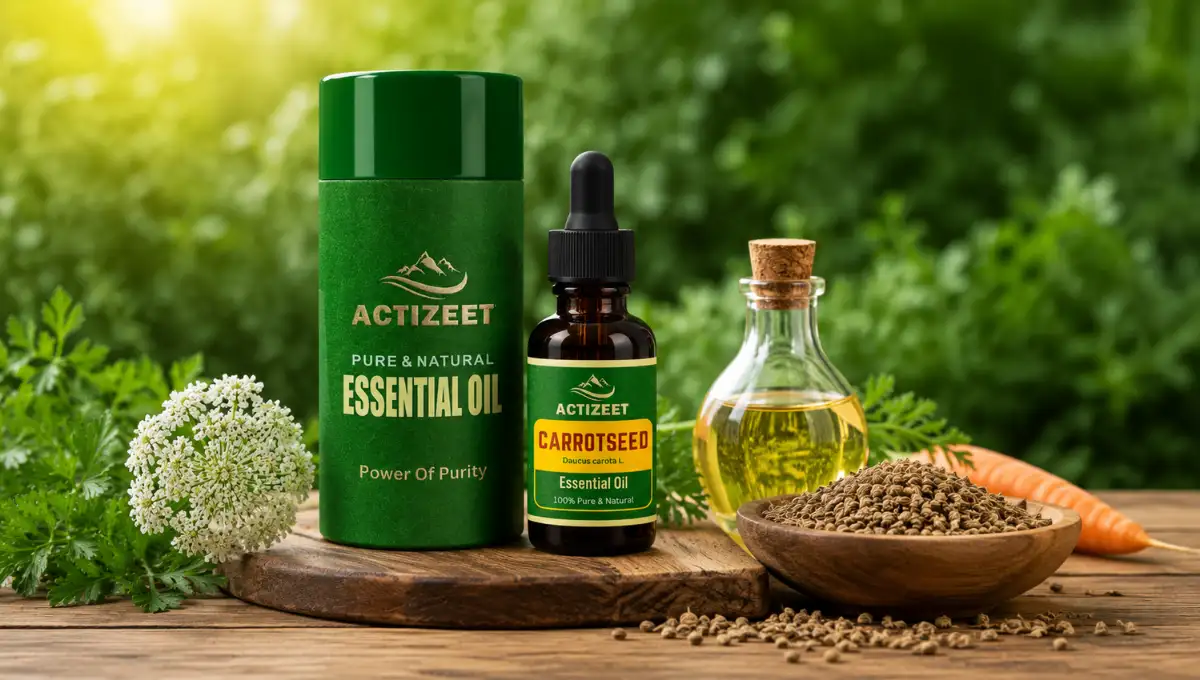
Top 10 Therapeutic Benefits of Carrot Seed Oil: What Science and Tradition Both Agree On
ACTIZEET® Editorial Team | | Essential Oils & Natural Skincare
What Is Carrot Seed Oil?
Carrot Seed Oil is a steam-distilled essential oil extracted from the dried seeds of wild carrot (Daucus carota), also known as Queen Anne’s Lace. The plant is a biennial herb native to Europe, southwestern Asia, and North Africa, and it should not be confused with cultivated garden carrot, which produces a different oil with a different composition.
The resulting oil is pale yellow to amber-brown with a warm, earthy, slightly woody and sweet aroma. It is notably different from carrot root oil (a carrier oil made by infusing carrot root in a base oil), which is primarily a cosmetic moisturiser without the concentrated bioactive compound profile found in the seed-derived essential oil.
Carrot Seed Oil’s most distinctive and clinically significant compound is carotol, a unique sesquiterpene that makes up 40 to 60 percent of the oil by volume. This compound is found in meaningful concentrations almost nowhere else in nature, which gives carrot seed oil a truly distinctive therapeutic fingerprint. Alongside carotol, the oil contains daucol, alpha-pinene, beta-caryophyllene, beta-carotene, and vitamins A, C, and E, creating a multi-compound profile that supports skin regeneration, antioxidant protection, antimicrobial defence, and more.
| Compound | Type | Primary Therapeutic Role |
|---|---|---|
| Carotol | Sesquiterpene (40 to 60%) | Skin regeneration, antifungal, anti-inflammatory, antibacterial |
| Daucol | Sesquiterpene | Antioxidant, antimicrobial, hair follicle nourishment |
| Alpha-pinene | Monoterpene | Anti-inflammatory, antiseptic, antioxidant |
| Beta-carotene | Carotenoid (pro-vitamin A) | Cell turnover, collagen synthesis, UV damage repair |
| Vitamin E (tocopherol) | Fat-soluble antioxidant | Skin barrier protection, free radical neutralisation |
| Vitamin C | Water-soluble antioxidant | Collagen synthesis, brightening, UV damage repair |
| Beta-caryophyllene | Sesquiterpene | Anti-inflammatory, analgesic, antifungal |
At a Glance: Top 10 Benefits of Carrot Seed Oil
- Reduces wrinkles and repairs signs of skin aging
- Provides antioxidant protection against free radical damage
- Fights bacteria, fungi, and skin infections
- Supports liver detoxification
- Promotes healthy hair growth and a nourished scalp
- Reduces inflammation in skin and tissues
- Supports wound healing and scar repair
- Contributes to natural UV protection in sunscreen formulations
- Aids digestion and relieves bloating through aromatherapy
- Supports emotional balance and reduces stress through aromatherapy
Anti-Aging and Skin Rejuvenation
This is the benefit that has driven the strongest modern research interest in carrot seed oil, and for good reason. The oil’s combination of beta-carotene (a provitamin A compound), vitamin C, vitamin E, and carotol creates a genuinely multi-layered anti-aging action that addresses several of the biological mechanisms underlying visible skin aging simultaneously.
Beta-carotene is converted in skin cells to vitamin A, which accelerates cell turnover and stimulates collagen synthesis. More collagen means firmer, more elastic skin with fewer visible fine lines. Vitamin C is an independent collagen cofactor that also brightens uneven skin tone and reduces the appearance of age spots. Vitamin E creates a protective antioxidant layer that slows the rate of oxidative damage to skin cell membranes, one of the primary contributors to premature aging. Carotol contributes regenerative activity that supports the formation of new skin cells.
Research published in the International Journal of Applied Pharmaceutics confirmed that carrot seed oil nanoemulgel formulations produced measurable anti-aging improvements across multiple skin parameters including moisture, evenness, pore appearance, spots, and wrinkle depth, demonstrating the oil’s practical effectiveness in cosmetic formulation. (International Journal of Applied Pharmaceutics, 2022)
How to Use It for Anti-Aging
Add 3 to 4 drops of carrot seed oil to a tablespoon of rosehip or argan carrier oil. Apply to clean, dry skin every evening as a facial oil. The combination of carrot seed with rosehip, which is itself rich in vitamin A and C, creates a powerfully complementary anti-aging blend. Always patch test first and avoid sun exposure immediately after application since beta-carotene-rich oils can increase photosensitivity in some individuals.
Powerful Antioxidant Protection
Free radicals are unstable molecules generated by UV radiation, pollution, cigarette smoke, processed foods, and even normal metabolic processes. When they accumulate faster than the body can neutralise them, they cause oxidative stress, which damages cell membranes, proteins, and DNA. This cellular damage is a primary driver of skin aging, liver damage, chronic inflammation, and numerous long-term health conditions.
Carrot seed oil is exceptionally rich in antioxidant compounds. Its carotenoid content alone, which makes up nearly 40 percent of the oil’s composition, gives it formidable free radical-scavenging capacity. DPPH and nitric oxide free radical scavenging assays conducted on carrot seed oil emulsions, published in PubMed-indexed research, confirmed the oil’s meaningful antioxidant potential in cosmetic formulations. (PubMed PMID: 29737890)
Particularly noteworthy is that the outermost layer of skin has an unusually high affinity for carotenoids, absorbing them more readily than many other antioxidant compounds. This means topically applied carrot seed oil delivers its antioxidant protection efficiently exactly where UV and environmental oxidative damage occurs most frequently.
How to Use It for Antioxidant Protection
Incorporate carrot seed oil into your morning skincare routine, diluted in jojoba or sweet almond oil. Apply under moisturiser before going outdoors. Regular daily application provides cumulative antioxidant protection that builds over time. Diffusing the oil also provides systemic antioxidant benefit through inhalation.
Antifungal Activity Against Common Skin Pathogens
One of the most scientifically specific findings on carrot seed oil is its antifungal activity, particularly through its primary compound carotol. A peer-reviewed study published in Z. Naturforsch C and indexed on PubMed evaluated carrot seed oil and its isolated sesquiterpene compounds against Alternaria alternata, a clinically relevant pathogenic fungus. The study found that carotol inhibited the radial growth of the fungus by 65 percent at a specific concentration, the strongest antifungal activity among the compounds tested. Daucol and beta-caryophyllene showed supporting antifungal activity. (PubMed PMID: 15666536)
Subsequent research confirmed antifungal activity against Candida species and dermatophytes, the fungi responsible for common conditions such as athlete’s foot, ringworm, and fungal nail infections. For people dealing with recurring skin fungal problems, carrot seed oil offers a well-evidenced, natural topical option that works through a different mechanism than pharmaceutical antifungals, reducing the risk of resistance development.
How to Use It for Antifungal Purposes
Dilute 5 drops of carrot seed oil in a tablespoon of coconut oil (which has independent antifungal properties) and apply to the affected area twice daily. Carrot seed oil pairs well with clove bud or tea tree oil for enhanced antifungal action. Consistency over two to four weeks is needed for persistent fungal skin conditions.
Antibacterial and Antiseptic Protection
Beyond its antifungal activity, carrot seed oil has demonstrated meaningful antibacterial properties against a range of clinically significant bacteria. Research identifies carotol as the primary antibacterial compound, active against Staphylococcus aureus and other common skin pathogens that cause acne, wound infections, and secondary skin complications.
Alpha-pinene, another prominent compound in the oil, adds complementary antiseptic activity. This makes carrot seed oil a useful natural antiseptic for minor cuts, scrapes, and skin abrasions, where it helps prevent bacterial colonisation while simultaneously supporting skin cell regeneration at the wound site.
For people with acne-prone skin, the antibacterial action of carrot seed oil targets Cutibacterium acnes (formerly called Propionibacterium acnes), the bacterium primarily responsible for inflammatory acne, without the drying and irritation commonly associated with pharmaceutical antibacterial treatments like benzoyl peroxide. The oil also has a comedogenic rating of just 1, meaning it is very unlikely to clog pores.
How to Use It for Antibacterial Skin Care
For acne: dilute 1 to 2 drops in a teaspoon of jojoba oil and apply as a spot treatment after cleansing. For minor wounds: dilute in a carrier oil and apply as a topical antiseptic once or twice daily until the wound closes. Do not apply to deep or infected wounds without medical guidance.
Liver Support and Detoxification
Carrot seed oil has a traditional reputation as a liver tonic and detoxifying agent, and modern pharmacological research has explored the mechanisms behind this traditional use. The polyphenol and carotenoid content of the oil has been studied specifically for liver protective qualities. Animal studies confirmed that the antioxidant compounds in wild carrot oil extract provide meaningful protection for liver tissue against oxidative damage, helping to reduce the impact of free radicals generated by toxin processing in hepatocytes.
Additionally, the oil is traditionally understood to support bile secretion from the liver and gallbladder. Adequate bile production is essential for fat digestion, nutrient absorption, and the elimination of metabolic waste products from the body. By stimulating appropriate bile flow, carrot seed oil supports the liver’s natural detoxification function as part of a broader wellness routine.
How to Use It for Liver Support
Aromatherapy is the safest method for accessing carrot seed oil’s liver tonic properties. Add 3 to 4 drops to a diffuser and inhale for 15 to 20 minutes. Alternatively, dilute 4 drops in a tablespoon of carrier oil and apply to the skin over the right side of the abdomen (over the liver) with gentle massage. Do not take carrot seed essential oil internally without guidance from a qualified practitioner.
Hair Growth and Scalp Health
Carrot seed oil has gained a strong following in natural hair care, and the research on its relevant mechanisms continues to grow. The oil supports scalp and hair health through several complementary actions.
Its carotol and daucol content nourishes hair follicles directly, supporting the follicle activity that determines hair strength and growth rate. Beta-carotene, once converted to vitamin A in scalp cells, regulates sebum production and supports the healthy cell turnover needed for a clean, unclogged follicle environment. Vitamin E strengthens the hair shaft at the structural level by reducing oxidative damage to the keratin proteins that give hair its tensile strength and elasticity.
A 2023 peer-reviewed study confirmed that carrot seed extracts demonstrate strong antioxidant and antifungal activity, protecting scalp cells from oxidative stress and maintaining the microbial balance that prevents dandruff and scalp irritation. The same research noted that antioxidant-rich carrot seed oil has potential to reduce scalp inflammation, one of the key drivers of hair thinning and premature loss.
How to Use It for Hair and Scalp
Add 5 drops of carrot seed oil to two tablespoons of warm coconut or argan oil. Massage into the scalp in small circular motions for five minutes to stimulate blood circulation. Leave on as a pre-wash treatment for 30 minutes to two hours, then shampoo out. Use twice weekly for noticeable improvement in scalp condition and hair texture within four to six weeks.
Anti-Inflammatory Properties for Skin and Joints
Inflammation drives a wide range of skin conditions including acne, eczema, rosacea, and general skin sensitivity. It also contributes to joint discomfort and systemic tissue irritation. Carrot seed oil addresses inflammation through two primary compounds: carotol and beta-caryophyllene.
Research documents carotol’s ability to reduce inflammatory mediators and modulate inflammatory responses in tissues. Beta-caryophyllene, a sesquiterpene found in carrot seed oil, is one of the few plant compounds known to act as a dietary cannabinoid, activating CB2 receptors in the body’s endocannabinoid system, which plays a direct role in modulating pain and inflammatory responses in peripheral tissues.
Alpha-pinene adds further anti-inflammatory action by inhibiting the inflammatory enzyme NF-kB, the same pathway targeted by many pharmaceutical anti-inflammatory agents. This combination of anti-inflammatory mechanisms makes carrot seed oil a genuinely effective option for reducing skin redness, calming reactive skin, and providing topical relief for inflamed joints when used in a massage blend.
How to Use It for Inflammation
For inflamed skin: dilute 2 drops in a tablespoon of calendula-infused carrier oil and apply gently to the affected area. For joint inflammation: blend 5 drops in a tablespoon of sesame or sweet almond oil and massage into the joint area twice daily.
Wound Healing and Scar Repair
Carrot seed oil has a property that traditional herbalists called cytophylactic, meaning it promotes the growth and regeneration of new cells. This is driven primarily by carotol and beta-carotene, both of which stimulate the production of new skin cells to replace damaged or dead tissue. Combined with the oil’s antiseptic properties, which prevent wound infection, carrot seed oil supports wound healing comprehensively.
The oil is used traditionally for minor cuts, abrasions, and burns, where it helps accelerate closure by stimulating keratinocyte proliferation (the production of new surface skin cells). It is also used on older scars, stretch marks, and areas of uneven pigmentation, where the vitamin A activity encourages more even cell turnover and gradual fading of discolouration.
For people with post-acne marks, surgical scars, or stretch marks, consistent daily application of a carrot seed oil blend over several weeks typically produces measurable improvement in skin evenness and texture, though results depend on the age and depth of the scar tissue.
How to Use It for Wound Healing and Scars
For active minor wounds: apply 2 drops diluted in a teaspoon of carrier oil to clean, closed wounds twice daily. For scars and stretch marks: mix 4 drops in a tablespoon of rosehip or vitamin E carrier oil and massage into the scar tissue daily. Consistent application over eight to twelve weeks produces the best results.
Contribution to Natural Photoprotection
Carrot seed oil’s role in sun protection deserves careful explanation, because this is an area where significant misinformation has circulated online. Some sources have claimed carrot seed oil has an SPF of 38 to 40 on its own, which would make it comparable to commercial sunscreens. This claim is not supported by rigorous research.
What the published evidence does show is more nuanced and still genuinely valuable: carrot seed oil emulsions have demonstrated measurable SPF values in formulated cosmetic preparations. A PubMed-indexed study on carrot seed oil cosmetic emulsions found that a 6 percent carrot seed oil formulation produced an SPF value of 6.92, a meaningful contribution to sun protection when combined with other UV filters, not as a standalone replacement for conventional sunscreen. Separately, independent research found carrot seed oil at an SPF of approximately 2.5 in vivo.
The more practically important photoprotective benefit is the oil’s ability to repair UV-induced oxidative damage after sun exposure through its antioxidant compounds. Beta-carotene and vitamin E specifically target and neutralise the reactive oxygen species generated by UV exposure in skin cells, reducing post-sun inflammatory damage and supporting recovery.
How to Use It for Photoprotection
Add carrot seed oil to your after-sun skincare routine rather than relying on it as a primary sunscreen. Mix 3 to 4 drops in aloe vera gel or a calming carrier oil and apply after sun exposure to reduce UV-triggered oxidative stress and support skin recovery.
Digestive Support and Emotional Balance Through Aromatherapy
Carrot seed oil’s aromatic profile, which is warm, earthy, woody, and subtly sweet, gives it a distinctive role in aromatherapy practice. The oil carries traditionally documented digestive benefits: inhaling or diffusing it is associated with stimulating digestive enzyme activity, relieving bloating and flatulence, and easing nausea. These effects are consistent with the carminative properties attributed to the Apiaceae plant family to which wild carrot belongs.
On the emotional and psychological level, the grounding, earthy quality of carrot seed oil makes it genuinely useful for reducing anxiety and mental fatigue. In aromatherapy practice, it is often used for its calming, centring effect during periods of stress, emotional exhaustion, or mental overload. It blends well with frankincense, cedarwood, and bergamot for a grounding, emotionally stabilising diffuser blend.
Unlike many intensely stimulating essential oils, carrot seed oil has a settled, unhurried quality that tends to be accessible even for people who find more pungent aromas overwhelming.
How to Use It for Digestive and Emotional Support
Add 4 to 5 drops of carrot seed oil to a diffuser and run for 30 to 45 minutes during periods of digestive discomfort or stress. For a topical digestive blend, dilute 4 drops in a tablespoon of warm carrier oil and massage clockwise over the abdomen. For emotional grounding, combine with frankincense and cedarwood in a personal inhaler or diffuser blend.
Quick Reference: How to Use Carrot Seed Oil Safely
| Application Method | Dilution / Dose | Best For |
|---|---|---|
| Evening facial oil | 3 to 4 drops in 1 tbsp rosehip or argan oil | Anti-aging, wrinkles, skin brightening |
| Spot treatment | 1 to 2 drops in 1 tsp jojoba oil | Acne, blemishes, antibacterial skin care |
| Scalp massage | 5 drops in 2 tbsp coconut or argan oil | Hair growth, dandruff, scalp health |
| Scar and stretch mark | 4 drops in 1 tbsp rosehip or vitamin E oil | Wound healing, scar fading, skin repair |
| Anti-inflammatory massage | 5 drops in 1 tbsp sesame or almond oil | Inflamed joints, muscle aches, reactive skin |
| After-sun repair | 3 to 4 drops in aloe vera gel or carrier oil | UV damage repair, antioxidant protection |
| Diffuser | 4 to 5 drops per session | Digestive support, emotional balance, stress relief |
| Liver support massage | 4 drops in 1 tbsp carrier oil | Liver tonic, detoxification support |
Why ACTIZEET® Carrot Seed Oil Stands Apart
The benefits of carrot seed oil described throughout this guide depend entirely on the quality and composition of the specific oil you choose. Carrot seed oil’s carotol content, which determines most of its therapeutic properties, varies significantly between products depending on the botanical source, growing conditions, harvest timing, and distillation method used. A low-carotol oil will not deliver the antifungal, anti-aging, and regenerative effects that research documents.
ACTIZEET® Carrot Seed Oil is steam-distilled from wild-harvested Daucus carota seeds sourced from their native growing environments. Wild plants consistently produce higher carotol concentrations than cultivated varieties, because the plant produces carotol as a natural defence compound in response to environmental pressures that cultivated plants are often shielded from. This difference in sourcing translates directly into a more potent, more therapeutically effective oil in every bottle.
Every batch of ACTIZEET® Carrot Seed Oil is GC-MS tested to verify its chemical composition, confirming that carotol, daucol, and the other key compounds are present at therapeutic concentrations. The oil is bottled in dark amber glass to protect the carotenoids and other photosensitive compounds from UV degradation. No carrier oils, synthetic fragrances, or diluents are added. What you receive is 100 percent pure, unadulterated carrot seed essential oil that genuinely delivers on the benefits this plant has earned its reputation for.
Whether you are adding it to your anti-aging skincare routine, using it for scalp health, seeking natural antifungal support, or incorporating it into an aromatherapy practice, ACTIZEET® Carrot Seed Oil is the quality of product those applications actually require.
Frequently Asked Questions About Carrot Seed Oil
What is the difference between carrot seed oil and carrot oil?
These are two completely different products with different compositions and uses. Carrot seed oil is an essential oil steam-distilled from the dried seeds of wild carrot (Daucus carota). It is highly concentrated, contains carotol and other potent bioactive compounds, and must always be diluted before use. Carrot oil (also called carrot infused oil or carrot root oil) is a carrier oil made by infusing carrot root or beta-carotene into a base oil like sunflower or coconut oil. It is primarily used as a moisturiser and does not contain the therapeutic compounds found in the essential oil. They are not interchangeable in any application.
Can carrot seed oil be used on all skin types?
Yes, carrot seed oil is suitable for most skin types when properly diluted. Its comedogenic rating of 1 means it is very unlikely to clog pores, making it appropriate even for oily and acne-prone skin. It is particularly beneficial for mature, dry, or sun-damaged skin due to its regenerative and antioxidant properties. People with very sensitive skin or allergies to Apiaceae family plants should conduct a patch test on the inner forearm before regular use. Start with a lower dilution (1 drop per teaspoon of carrier oil) and increase gradually if no reaction occurs.
How long does it take to see results from carrot seed oil on skin?
For anti-aging and skin brightening effects, most people notice early improvements in skin texture and radiance within two to four weeks of consistent daily use. More significant changes in fine lines, age spots, and overall skin firmness typically become visible after six to twelve weeks of regular application. For scar fading and stretch mark improvement, expect to use the oil consistently for at least eight to twelve weeks before assessing results. The oil rewards daily consistency more than occasional high-dose application.
Is carrot seed oil safe during pregnancy?
Carrot seed oil is generally considered contraindicated during pregnancy. The oil has traditional emmenagogue properties, meaning it may stimulate uterine contractions. While there is limited clinical data specifically on carrot seed oil in human pregnancy, the precautionary approach taken by most qualified aromatherapists and natural health practitioners is to avoid it during pregnancy entirely. Breastfeeding women should also consult a healthcare provider before use.
What carrier oils blend best with carrot seed oil?
For facial anti-aging applications, rosehip and argan oils are ideal partners because they share complementary vitamin A, C, and E content and are both non-comedogenic. For scalp and hair treatments, coconut oil and argan oil work well. For body and scar treatments, sweet almond, jojoba, and vitamin E oil are excellent choices that enhance the skin-regenerating properties. For emotional and aromatherapy blends, carrot seed oil combines beautifully with frankincense, sandalwood, geranium, lavender, and cedarwood essential oils.
The Bottom Line on the Benefits of Carrot Seed Oil
Carrot seed oil occupies a genuinely unique space in natural therapeutics. Its distinctive carotol content, combined with a remarkable array of carotenoids, vitamins, and sesquiterpenes, makes it one of the few single essential oils that addresses skin regeneration, antioxidant protection, antimicrobial defence, and emotional balance simultaneously.
The research base behind the benefits of carrot seed oil continues to grow, particularly in the areas of antifungal activity and anti-aging cosmetic formulation. What it shows consistently is that this oil earns its therapeutic reputation through clear, measurable biochemical mechanisms rather than tradition alone.
The key to accessing those benefits is using a product with the verified carotol concentration and purity that the research studies. ACTIZEET® Carrot Seed Oil is built exactly to that standard, from wild-harvested seeds to GC-MS verified composition to protective amber glass packaging. If you are ready to bring this ancient botanical into your modern wellness routine, this is the place to start.
References
- Antifungal activity of the carrot seed oil and its major sesquiterpene compounds. Z. Naturforsch C, 2004; 59(11-12):791-6. PubMed PMID: 15666536
- Formulation and evaluation of carrot seed oil-based cosmetic emulsions. Journal of Cosmetic Dermatology, 2018. PubMed PMID: 29737890
- The use of Carrot Seed Oil (Daucus carota L.) to formulate nanoemulgels as an effective natural sunscreen and skin anti-aging. International Journal of Applied Pharmaceutics, 2022. journals.innovareacademics.in
This article is for educational and informational purposes only and does not constitute medical or skincare advice. Always dilute essential oils appropriately and conduct a patch test before topical use. Consult a qualified healthcare professional before using carrot seed oil therapeutically, especially if you are pregnant, breastfeeding, or managing a health condition.
More from ACTIZEET® Insights
No posts found!